
Learning To Sit With Loss

My life has been full of loss.
People I have loved have died. Relationships have ended. Jobs have come to an end. Roles I once occupied have changed or disappeared. I have left places and communities behind.
I have also had to let go of versions of myself.
Some of those changes were chosen. Others were not.
For a long time, I thought about these experiences in terms of whether they were good or bad. I am learning to think about them differently now.
They were changes.
Some hurt more than others. Some brought relief. Some brought both.
That distinction matters because an ending does not have to be entirely good or entirely bad to have meaning.
Over time, these experiences have started to connect for me. The deaths, the relationships, the jobs, the changes in identity, and the decisions I have made about how I want to live have all become part of how I understand change.
I am learning to sit with that.
Not solve it.
Not immediately decide what it means.
Not turn every difficult experience into a lesson before I have had time to experience it.
Just sit with it.
That has not always been easy.
Some emotions come with loss that I used to have a difficult time allowing myself to feel. Shame. Regret. Anger. Sadness. Relief. Confusion.
Sometimes several of them exist at the same time.
I am learning that I do not need to choose which one is the correct response.
I can feel them.
I can notice them.
I can give them some space without allowing them to take over everything.
For me, safety has become an important part of that process. I need to be able to sit with difficult experiences without immediately judging myself for having them.
I can regret something without becoming consumed by regret.
I can feel shame without deciding that shame tells me who I am.
I can feel sadness without needing to make it go away.
I can let an emotion move through me rather than treating it as something that needs to be controlled.
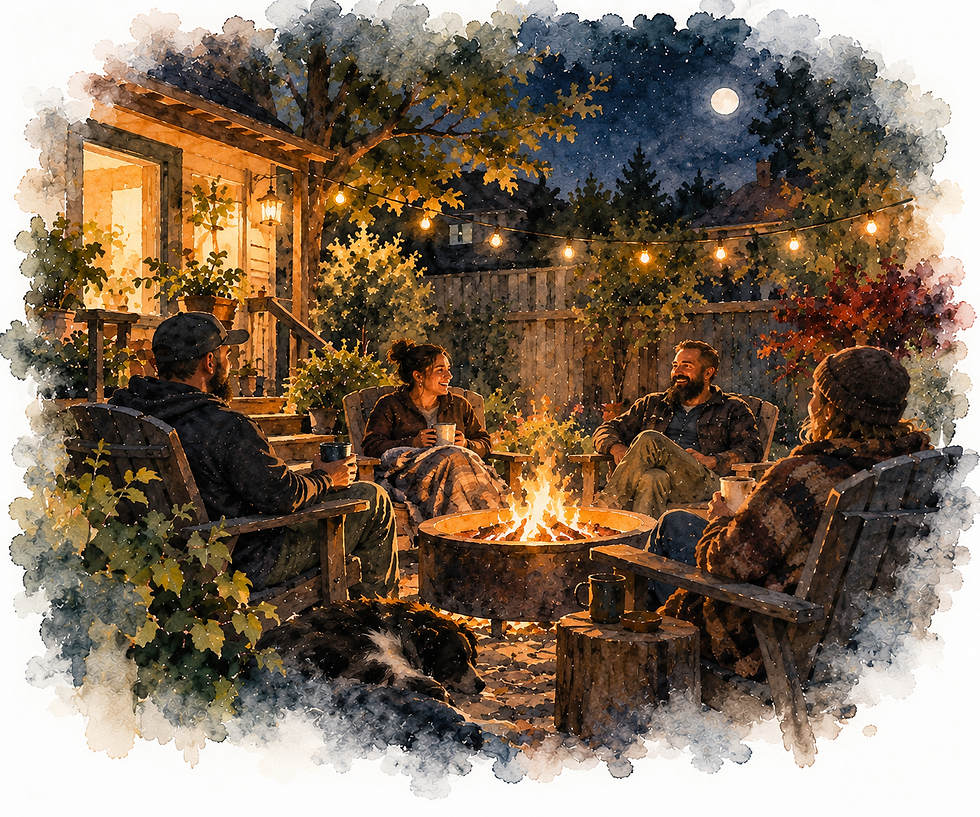
Sometimes that means allowing things to sit for a while.
They percolate. They settle. They change as I understand more.
Eventually, I can decide what I want to do with what remains.
I think this is part of what has shaped the work I am doing now.
I have become increasingly interested in change and the human experience of endings. What happens when something that has given our lives structure is gone? What happens when a relationship ends, a role disappears, a person dies, or the way we understand ourselves no longer fits?
Loss can be heavy.
It still is.
But it does not feel as threatening to me as it once did.
I can sit with it now.
I can witness it.
I can recognize that something has ended without immediately needing to replace it.
That ability has changed the way I understand my work with other people.
When someone is experiencing a significant loss, I do not always need to help them find an answer.
Sometimes what they need first is somewhere safe to experience what is happening.
They may need someone who can sit with the uncertainty.
Someone who does not rush them toward acceptance.
Someone who does not tell them what their loss is supposed to mean.
Someone who can stay present while they work through what the ending has brought up for them.
That is something I have been learning through my own experiences.
The movements I have been developing are beginning to make more sense to me because of this.
Looking within has helped me understand what is happening inside me.
Looking around helps me notice the environments, relationships, and circumstances that influence my experience.
Moving through asks what happens next.
Not because we have to move on.
Because change is already happening.
My own losses have given me experience, but experience by itself is not enough. I have had to examine it, question it, and learn from it.
That process has given me a different understanding of grief and change.
It has also given me tools.
More importantly, it has given me a greater ability to stay present with difficult experiences without immediately trying to escape them.
I do not think that means I have figured loss out.
I don't think anyone does.
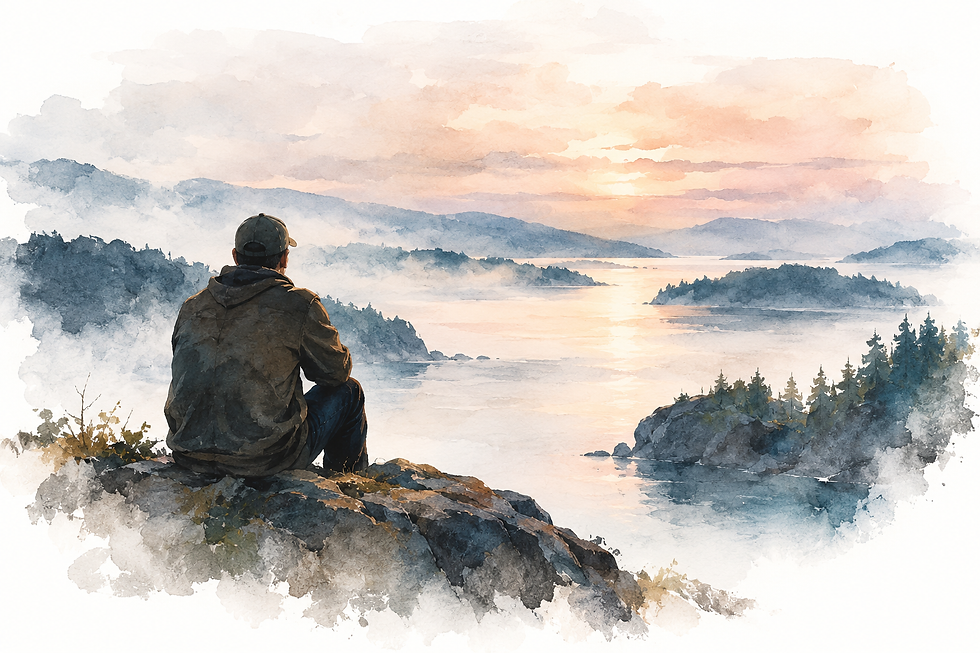
I think I have simply become more comfortable sitting beside it.
And perhaps that is part of what I can offer someone else.
Not a way around their loss.
Not an explanation for why it happened.
A place to sit with it.
A little safety.
Some room to feel what is there.
And, when they are ready, some support in deciding what they want to do with what comes next.
Comments